Understanding Medical Inflation, Employee Risk, and Smarter Benefit Strategies
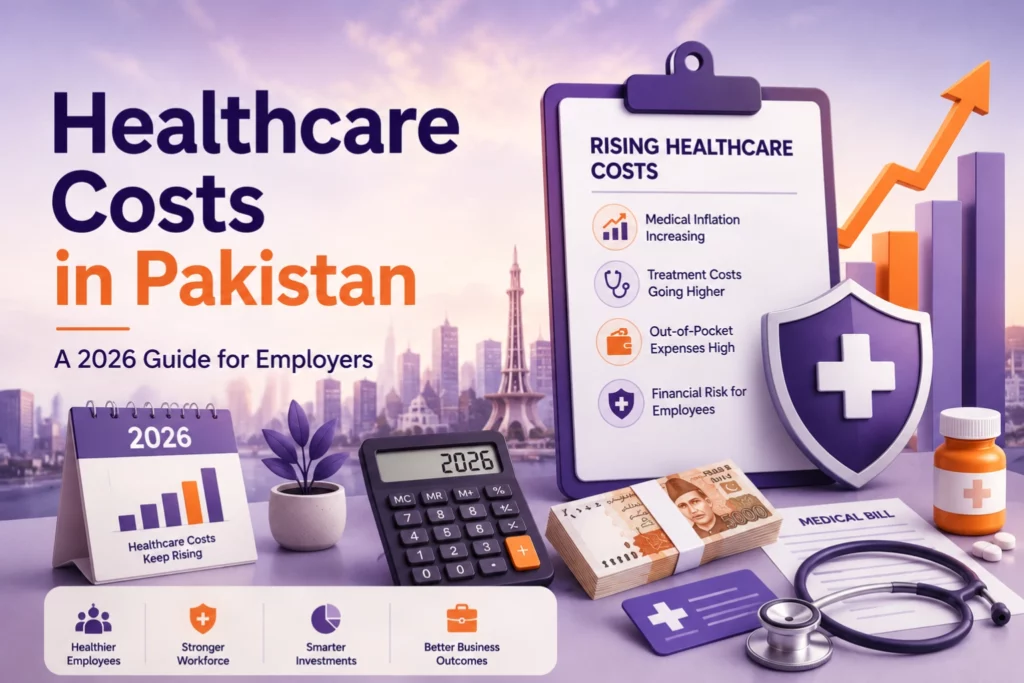
Healthcare costs in Pakistan have been rising steadily over the past decade, but the pace of increase seen in recent years has transformed healthcare from a personal concern into a major business issue.
For employers, healthcare expenses no longer affect only insurance premiums. Rising medical costs impact employee wellbeing, productivity, retention, recruitment, and overall organizational performance.
As we move through 2026, employers who understand these trends and proactively support employee healthcare will be better positioned to attract talent, improve workforce stability, and build stronger businesses.
This guide explores the current state of healthcare costs in Pakistan, the financial impact on employees and employers, and the strategies HR leaders can adopt to manage healthcare-related challenges effectively.
Pakistan’s Healthcare Landscape in 2026
Pakistan’s healthcare system consists of both public and private healthcare providers.
Public hospitals provide affordable treatment but often face challenges such as:
- Overcrowding
- Long waiting times
- Resource limitations
- Limited specialist availability
As a result, many employees prefer private healthcare facilities when serious medical needs arise.
Private hospitals offer:
- Faster treatment
- Better facilities
- Access to specialists
- Improved patient experience
However, these benefits come at a significant cost.
For many middle-income employees, even a short hospital stay can create substantial financial pressure.
The Rise of Medical Inflation in Pakistan
Medical inflation refers to the increase in healthcare costs over time.
Unlike general inflation, healthcare inflation is often driven by unique factors including:
- Rising pharmaceutical prices
- Import dependency for medical equipment
- Currency depreciation
- Increasing hospital operating costs
- Growing demand for quality healthcare services
Over the last several years, healthcare costs have risen faster than many employees’ salaries.
This means employees are spending a larger share of their income on healthcare than ever before.
For employers, this trend creates a growing expectation that organizations will provide some level of healthcare support.
What Healthcare Actually Costs in Pakistan
Many employers underestimate how expensive healthcare has become for their workforce.
Below are typical private healthcare costs seen in major cities such as Karachi, Lahore, and Islamabad.
Doctor Consultations
General Practitioner
- PKR 1,500 – 5,000 per visit
Specialist Consultation
- PKR 3,000 – 10,000+ per visit
For employees managing chronic conditions, these expenses can quickly add up throughout the year.
Diagnostic Testing
Common diagnostic costs include:
Blood Tests
- PKR 1,000 – 15,000
X-Ray
- PKR 1,500 – 5,000
Ultrasound
- PKR 3,000 – 8,000
CT Scan
- PKR 12,000 – 40,000
MRI
- PKR 15,000 – 60,000+
Even routine diagnostics can become financially burdensome for employees without reimbursement support.
Hospitalization Costs
Hospitalization remains one of the largest healthcare expenses faced by Pakistani families.
Private Hospital Room Charges
- PKR 8,000 – 40,000 per day
ICU Charges
- PKR 35,000 – 100,000+ per day
Emergency Room Visits
- PKR 10,000 – 50,000+
Surgical Procedures
- PKR 100,000 – 1,000,000+
The final bill often includes:
- Room charges
- Nursing charges
- Medicines
- Diagnostics
- Doctor fees
- Surgical costs
As a result, a hospitalization lasting only a few days can result in expenses exceeding several months of salary for many employees.
The Real Cost of Common Medical Events
Dengue Hospitalization
A patient admitted for severe dengue may incur costs including:
- Emergency consultation
- Laboratory tests
- Daily monitoring
- Medication
- Hospital stay
Estimated total cost:
PKR 100,000 – 300,000
Appendicitis Surgery
Estimated expenses:
- Diagnostics
- Surgeon fees
- Operating theater charges
- Hospital stay
Estimated total cost:
PKR 150,000 – 500,000
Cardiac Procedures
Angioplasty
PKR 700,000 – 2,000,000+
Bypass Surgery
PKR 1,500,000 – 5,000,000+
For most households, these costs are impossible to manage without insurance or financial assistance.
The Cost of Maternity Care
Maternity benefits have become one of the most valued employee benefits in Pakistan.
Healthcare costs associated with childbirth continue to rise, particularly in private hospitals.
Normal Delivery
Typical costs:
PKR 100,000 – 250,000
Caesarean Section (C-Section)
Typical costs:
PKR 200,000 – 500,000+
Additional Costs
Many families also incur expenses related to:
- Newborn care
- Pediatric consultations
- Vaccinations
- Complications requiring extended hospitalization
For young professionals starting families, maternity expenses often represent one of the largest healthcare costs they face.
Critical Illnesses: The Biggest Financial Risk
While routine healthcare expenses can be planned for, critical illnesses often create severe financial hardship.
Cancer Treatment
Depending on the type and stage of cancer, treatment may include:
- Surgery
- Chemotherapy
- Radiation therapy
- Follow-up care
Estimated costs can exceed:
PKR 1 million to several million rupees
Kidney Disease
Dialysis
Regular dialysis can cost:
PKR 15,000 – 50,000 per session
Patients requiring multiple sessions per month may face annual costs exceeding several million rupees.
Heart Disease
Cardiac treatment remains one of the most expensive healthcare categories in Pakistan.
Even insured employees can face financial stress when coverage limits are insufficient.
Why Healthcare Costs Matter to Employers
Many organizations view healthcare benefits primarily as an expense.
However, the true business impact extends far beyond insurance premiums.
Absenteeism
Employees who delay treatment due to financial concerns often experience:
- Longer recovery periods
- More sick days
- Reduced attendance
These issues directly affect team productivity.
Presenteeism
Presenteeism occurs when employees continue working despite health issues.
Although they remain physically present, their performance suffers.
Research consistently shows that presenteeism can cost organizations more than absenteeism.
Employee Turnover
Benefits are becoming an increasingly important factor in employment decisions.
Employees frequently compare healthcare benefits when evaluating job offers.
Organizations with weak healthcare support may struggle to retain skilled workers.
Recruitment Challenges
The competition for talent continues to intensify.
Job seekers increasingly expect employers to provide:
- Health insurance
- OPD support
- Family coverage
- Wellness programs
Healthcare benefits can often influence candidate decisions more than small salary differences.
Employee Health Benefits as a Business Investment
Forward-thinking employers increasingly view healthcare benefits as an investment rather than a cost.
The benefits extend across multiple areas of the organization.
Improved Retention
Employees are more likely to remain with organizations that support their wellbeing.
Higher Employee Satisfaction
Healthcare support demonstrates that an employer values its workforce.
This improves trust and loyalty.
Increased Productivity
Healthy employees:
- Take fewer sick days
- Perform better
- Remain engaged for longer periods
Stronger Employer Brand
Comprehensive benefits packages enhance employer reputation and make recruitment easier.
Healthcare Benefits Employers Commonly Offer
Group Health Insurance
Typically covers hospitalization expenses.
This remains the most common healthcare benefit in Pakistan.
OPD Coverage
OPD benefits cover:
- Doctor consultations
- Medicines
- Diagnostic tests
Employees often use OPD benefits more frequently than hospitalization coverage.
Maternity Coverage
Provides financial support during pregnancy and childbirth.
Increasingly expected by professional employees.
Family Coverage
Extends healthcare protection to spouses and children.
A major differentiator in competitive industries.
Critical Illness Coverage
Provides additional protection against severe medical events.
Emerging Healthcare Benefit Trends in Pakistan
Digital Healthcare Benefits
Employers are moving away from manual reimbursement processes.
Digital systems provide:
- Faster claim processing
- Better visibility
- Improved employee experience
OPD Budget Management
Organizations are increasingly allocating structured OPD budgets to employees.
This approach improves cost control while providing meaningful support.
Telemedicine
Virtual consultations continue to gain popularity.
Benefits include:
- Reduced costs
- Greater convenience
- Improved access to healthcare
Preventive Healthcare
Leading employers are investing in:
- Annual health screenings
- Wellness programs
- Health awareness initiatives
Prevention often costs significantly less than treatment.
What HR Leaders Should Do in 2026
Healthcare costs will continue to rise.
Organizations that adapt early will have a competitive advantage.
Assess Current Healthcare Spending
Understand how much employees currently spend and where the biggest gaps exist.
Evaluate Employee Needs
Gather feedback through surveys and utilization data.
Move Beyond Basic Hospitalization Coverage
Consider OPD, maternity, and preventive healthcare benefits.
Digitize Healthcare Management
Reduce administrative burden and improve transparency.
Measure Outcomes
Track:
- Employee satisfaction
- Utilization rates
- Retention
- Productivity
Conclusion
Healthcare costs in Pakistan are increasing rapidly, placing growing pressure on employees and employers alike.
A single medical emergency can wipe out years of savings, affect employee morale, and reduce productivity across teams.
Organizations that invest in employee healthcare benefits are not simply reducing medical expenses. They are building stronger, healthier, and more resilient workforces.
In 2026 and beyond, healthcare benefits will increasingly become a key differentiator in attracting talent, improving retention, and creating a positive employee experience.
The question is no longer whether employers should support employee healthcare.
The real question is how quickly they can build a healthcare strategy that protects both their employees and their business.