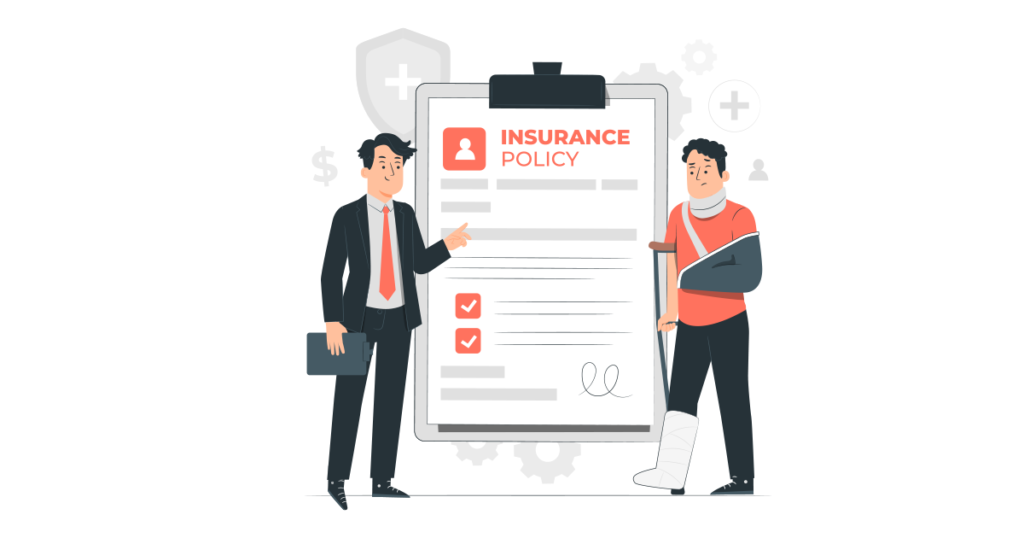
Managing health insurance for a small team is one thing; managing it for hundreds or thousands of employees is another entirely. I’ve seen HR teams struggle with this.
There are claims piling up, employees confused about what is covered and claims administrators struggling to keep up. When the system isn’t set up correctly, what is a valuable employee benefit can quickly turn into a source of frustration for both staff and leadership.
In this article, I want to walk you through the common issues large organizations face with health insurance claims and share practical strategies that actually work in real-world settings.
When Claims Start to Overflow
In large companies, claim volume can feel unmanageable. Employees submit their requests for hospitalizations, outpatient treatments, diagnostics, as well as coverage needs for their dependents. Without a clear process to handle each category, HR teams can quickly get overwhelmed, leading to delays and errors.
A common scenario that causes challenges is a mid-sized company with multiple branches. Employees from different branches would submit claims via email, while others sent physical documents.
HR staff would spend hours chasing missing papers and correcting mistakes. By the end of the week, there were always claims pending, while employees waiting for their reimbursements grew frustrated.
How to address such challenges:
- Centralized claims handling desk: Whether in-house or via a TPA, having a single point of contact ensures that submissions are consistent.
- Digital submissions: Online portals (ideally with checklists of required documents) where employees upload documents and track status, reduce unnecessary back-and-forth. Our guide on designing employee benefits in Pakistan shows similar workflow efficiencies.
- Clear documentation guidelines: Checklists for forms, pre-authorization, bills, and diagnostics help avoid missing information.
Even small improvements like these drastically reduce claim bottlenecks and improve employee satisfaction.
Understanding Diverse Employee Needs
Not all employees have the same health needs. Younger staff may rarely use insurance, while parents with dependents or older employees might submit claims frequently. If you have a one-size-fits-all plan, your employees can end up being underinsured or dissatisfied.
In practice, segmenting employees helps. Grouping them by age, dependents, role, or health risk allows HR teams to offer flexible coverage tiers, base coverage plus optional add-ons such as maternity care or outpatient diagnostics. This approach keeps premiums manageable while meeting diverse needs.
As always, open and clear communication plays a crucial role. All employees should know what instances are overed, the process for submitting claims, and any limits or co-payments.
Many HR teams support conducting workshops, designing intranet guides, and sending email reminders to help reduce errors and confusion. Our article on group health plans tailored to employee needs provides practical strategies for aligning coverage with workforce diversity.
Preventing Claim Abuse
Some employees may exaggerate bills, file repeated minor claims or submit incomplete documentation. Fraud and misuse are unfortunate realities of large organizations. This drives up costs and can cause tension among staff members.
A practical solution to address this concern is implementing pre-authorization for high-cost procedures, like surgeries or daycare treatments. Random audits of large claims also help discourage misuse.
Many organizations combine these measures with employee education, explaining coverage clearly and highlighting the importance of accurate submissions.
Having initiatives for wellness and preventive care are another way to reduce misuse and encourage healthier behaviors. Simple annual health checks can prevent more expensive claims later, which benefits both employees and the organization.
Consistency Across Teams
When organizations have multiple locations, coverage can be interpreted differently across offices. Employees might assume certain benefits exist, while others are denied, creating confusion and dissatisfaction.
Standardized policy documents and clear summaries are critical. HR teams can design an FAQ manual to address common insurance claim concerns like maternity, child care, emergency procedures, pre-existing conditions, and outpatient tests.
Having a dedicated support desk ensures that employees and HR staff can quickly clarify any doubts. This could be in-house or through a TPA.
Collecting employee feedback at the end of each claims cycle allows organizations to adjust coverage, improve communication, and anticipate problem areas before they escalate. This mirrors best practices outlined in our group health coverage guide.
Controlling Costs
Claims for large teams can easily cause premiums to spike unexpectedly. High claim frequency or expensive treatments can affect budgets and planning.
HR teams that manage costs successfully do so by tracking claims over time. Detailed records enable finance teams to forecast trends and negotiate better premiums at renewal. Risk-sharing measures, such as co-payments or deductibles, also help balance coverage with cost.
Preventive care initiatives, such as health screenings or lifestyle programs, reduce claim frequency while improving workforce health. Planning with predictive modeling can help organizations prepare for the next renewal cycle, minimizing surprises.
Aligning Claims with Strategic HR Goals
Efficient claims management is more strategic instead of being about operational smoothness. A well-managed process strengthens employee trust, improves retention, and enhances workforce satisfaction.
Investing in technology, such as claims dashboards and analytics, allows HR teams to detect trends early and respond proactively. Partnering with experienced TPAs ensures compliance and smooth execution of insurance claims. Continuous monitoring, reviewing claims data and employee feedback regularly, ensures the system evolves to meet changing needs.
When done well, claims management becomes a tool that supports both employees and the organization, rather than a source of frustration.
Conclusion
For any organization, health insurance claims management can be a complex but manageable challenge. It becomes more challenging for large organizations due to the sheer volume and range of claims.
By centralizing operations, standardizing processes, segmenting employees, preventing misuse, controlling costs, and leveraging technology, HR leaders can ensure that group health insurance delivers real value.
Ultimately, a well-managed claims system improves employee satisfaction, strengthens trust, and helps organizations control costs, making it a strategic advantage rather than an operational headache.

Sadia Zaheer holds a Masters in Business Administration from IBA, Karachi. After working in several financial institutions in Client Management, Corporate Lending, Islamic Banking and Product Management she jumped careers to pursue a career in writing.
She is a Finance, Business and HR Development writer with four years of experience. She reads a lot and takes care of her multiple cats to remain calm.